.jpg)
That sentence is from the brand book in 2019, and it was the whole idea. A photographer leaving an agency loses the studio. A musician working a day job cannot justify a recording room. A small business owner needs a product shoot and finds that renting a sound stage costs more than the campaign it feeds.
The equipment existed. The spaces existed. They were locked inside companies, and the people who needed them most had been priced out or laid off.
Coworking had solved this for desk work. Nobody had solved it for making things.
So I built a gym for creatives. Membership gets you the room and the gear. What you make in it is yours.
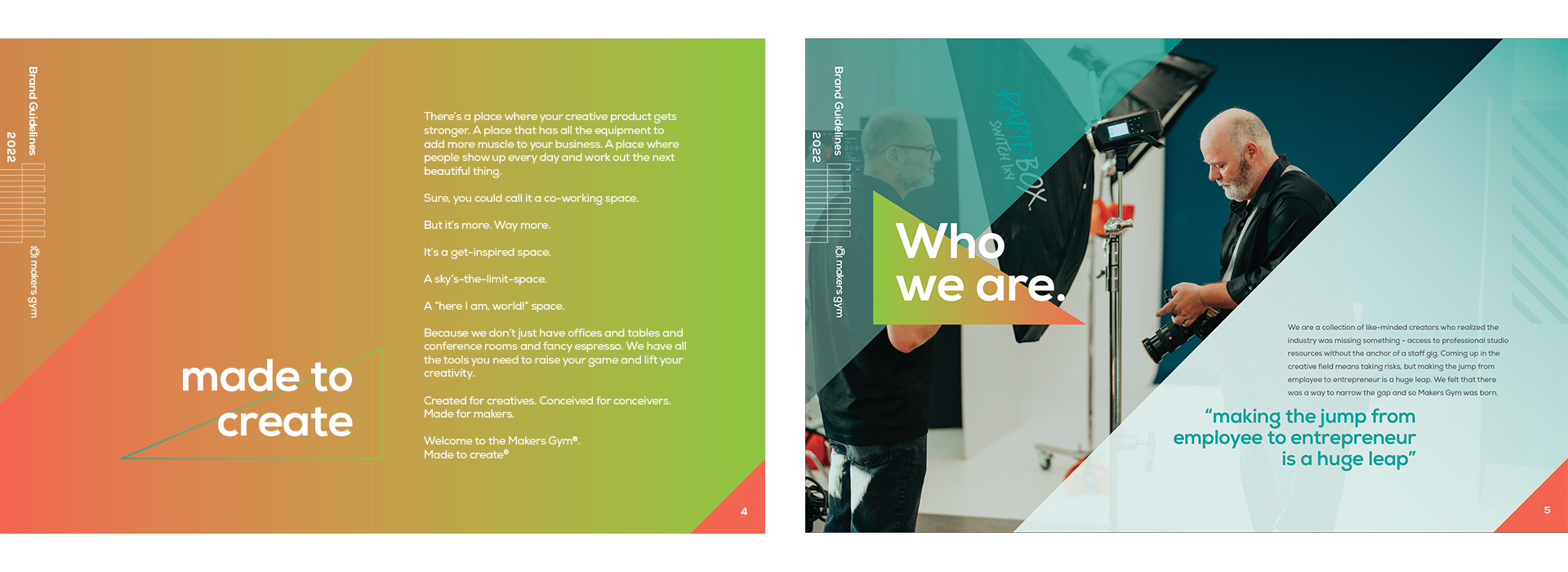
Frisco had no creative production facility. The nearest coworking competitors were selling desks: WeWork Plano, Common Desk, Industrious, Weld. None of them had a sound stage. I was not competing for the same customer. I was building a category with no local entry.
The line was Made to Create®. Both are registered trademarks.
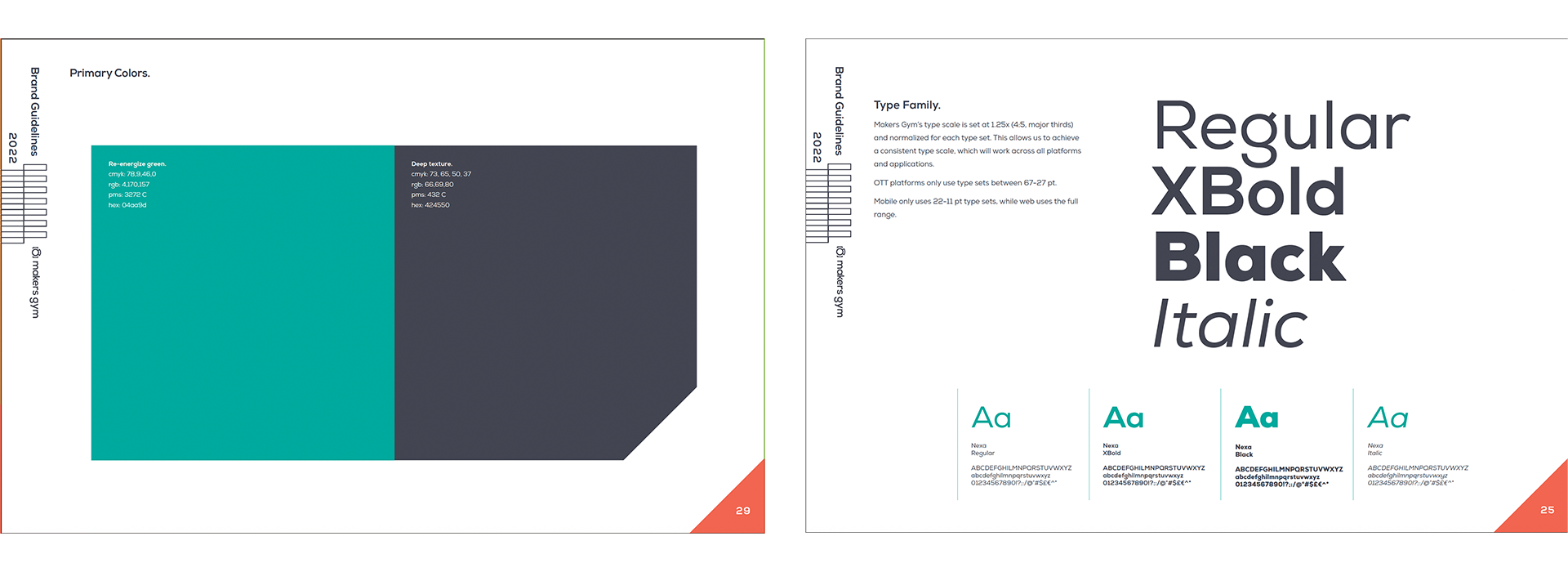
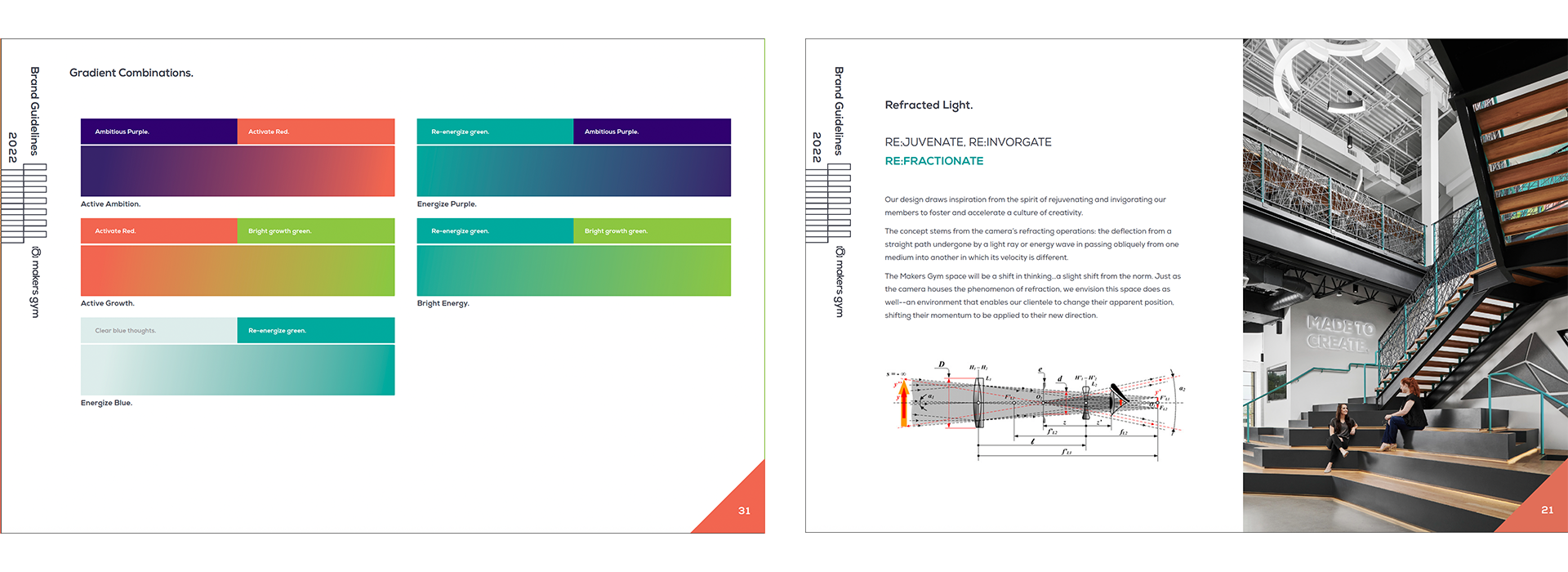
The design system came from an idea called Refracted Light: a single source split into a spectrum, which is what happens when you put a hundred disciplines in one building. It gave the identity a geometry that scaled from a business card to a two-story wall.
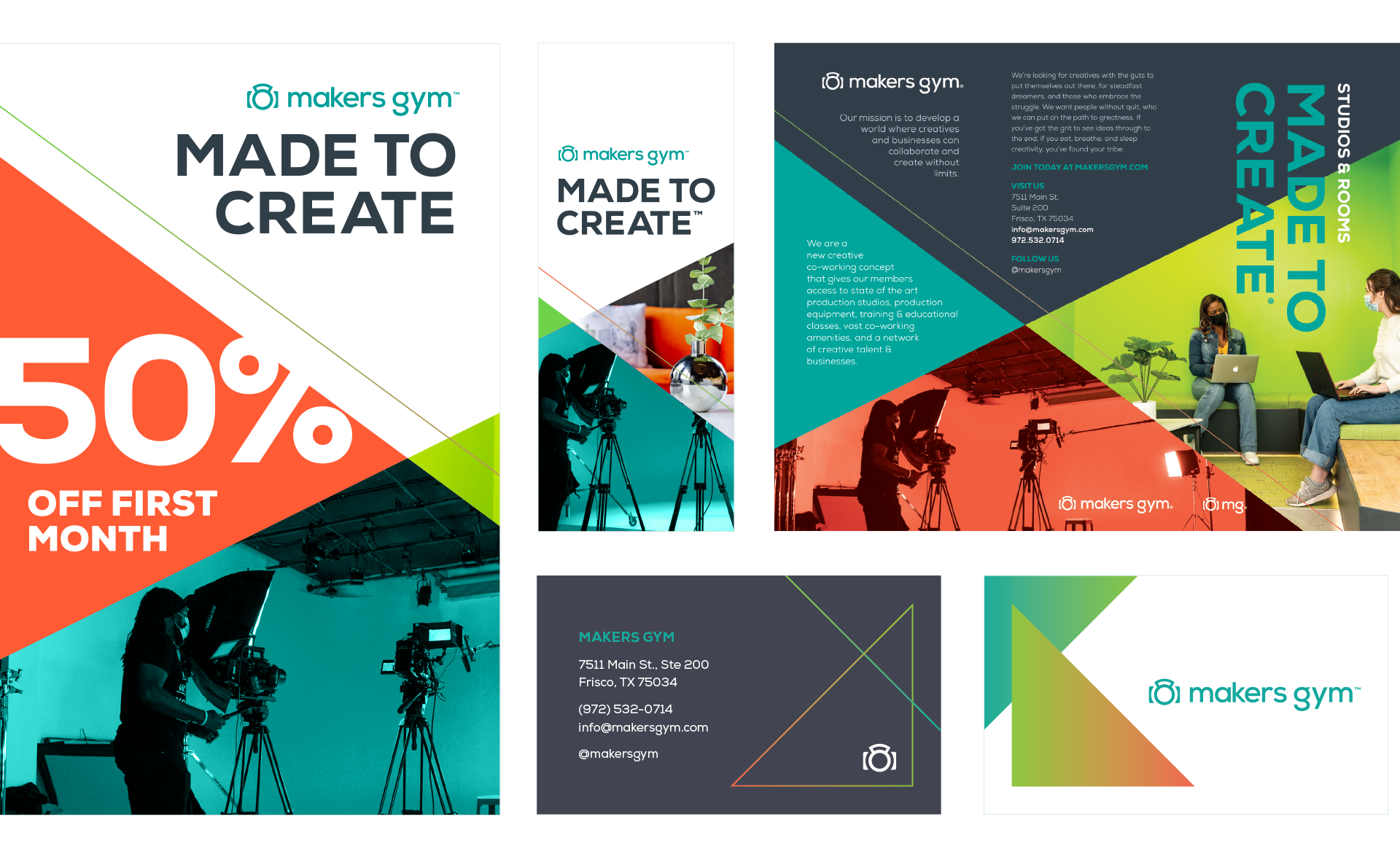
Every square foot was designed to trigger something. The lobby is where you run into people. The studios are where you disappear. The work areas are where you settle in for six hours.
.jpg)
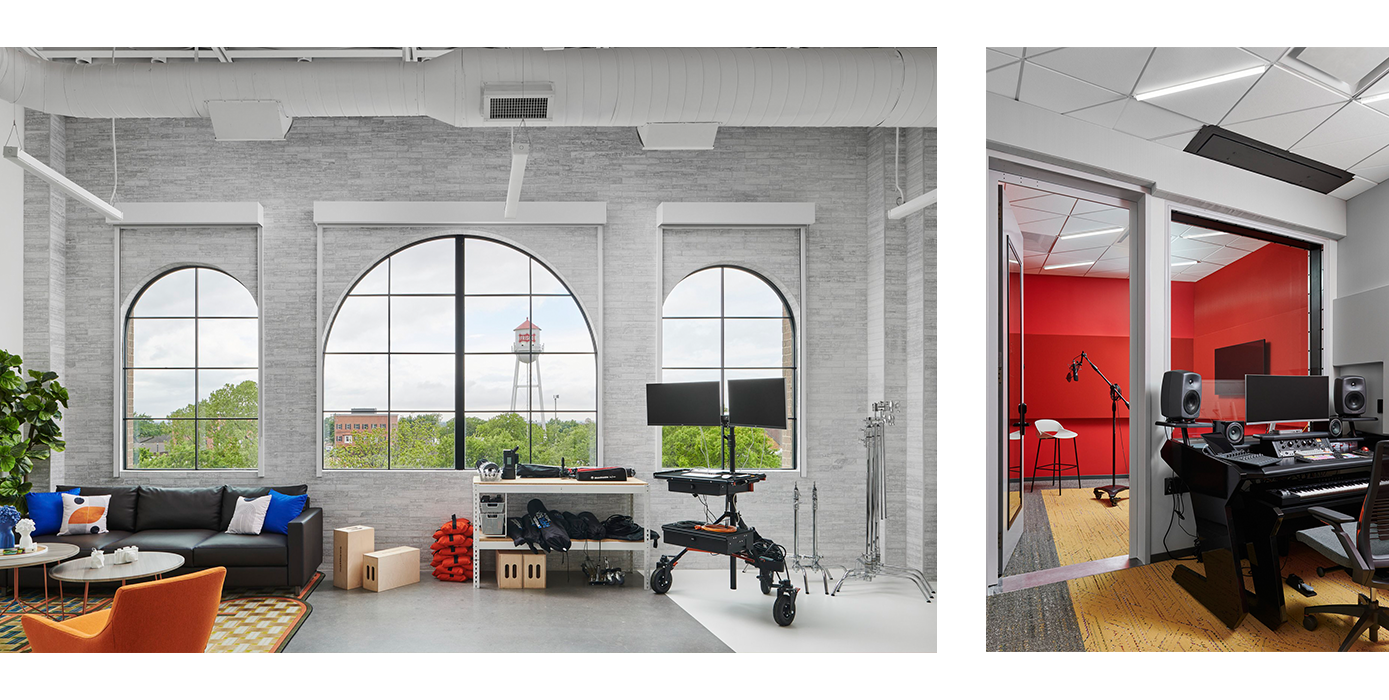
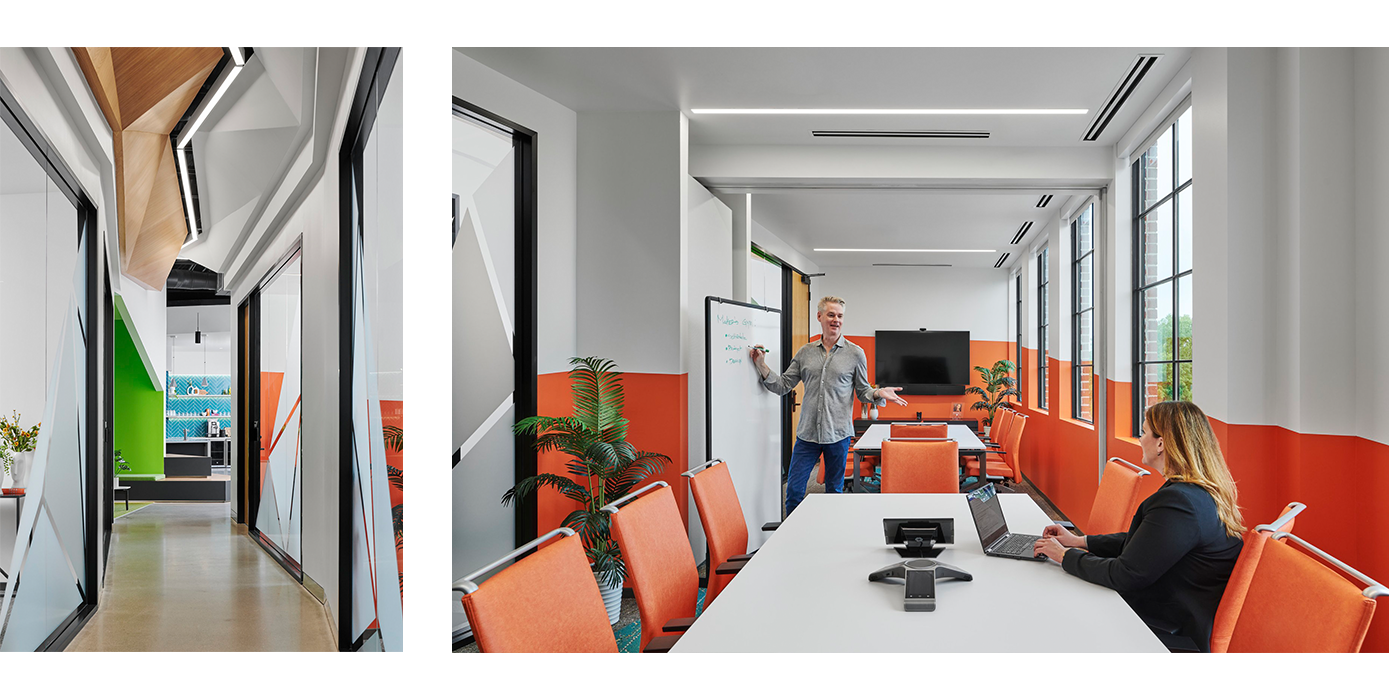
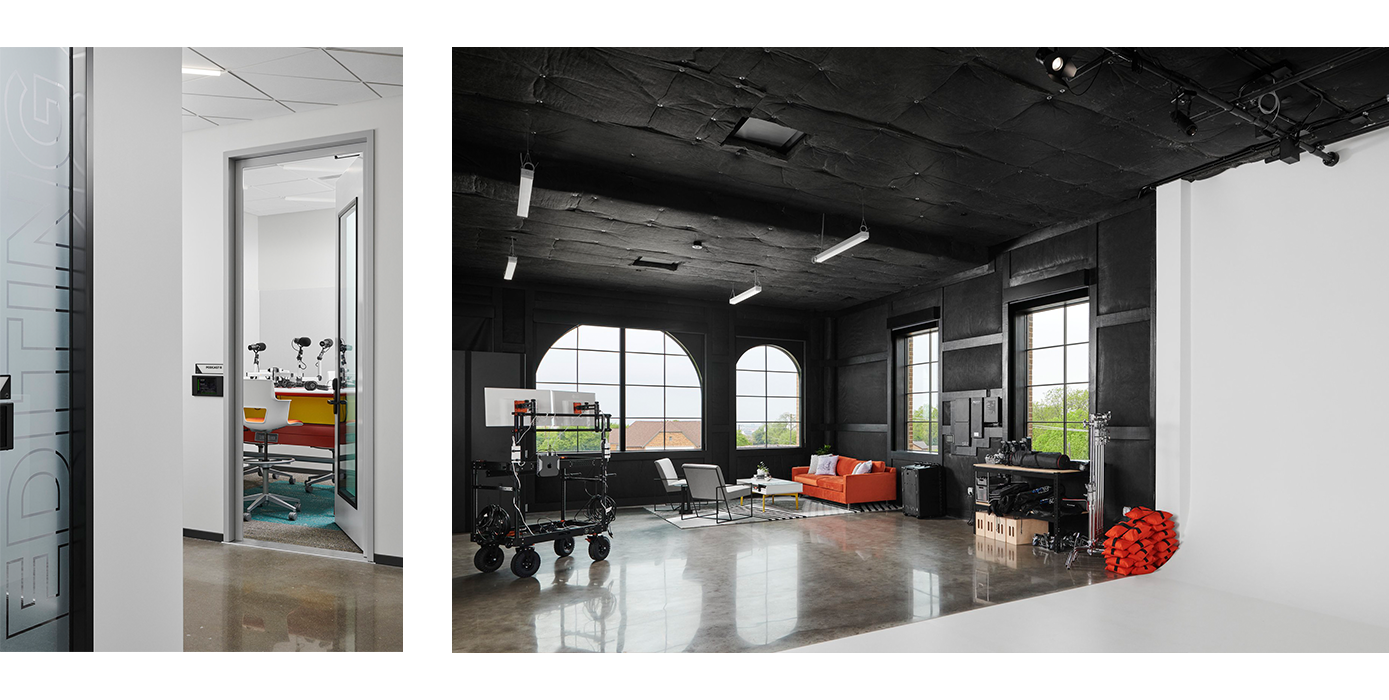
One decision I would make again: every studio has a hair and makeup area and a lounge for the client. That is not a facilities decision, it is a customer experience decision. A photographer who can seat their client somewhere decent looks more professional than one who cannot, and looking professional is most of what a young business is buying.
.jpg)
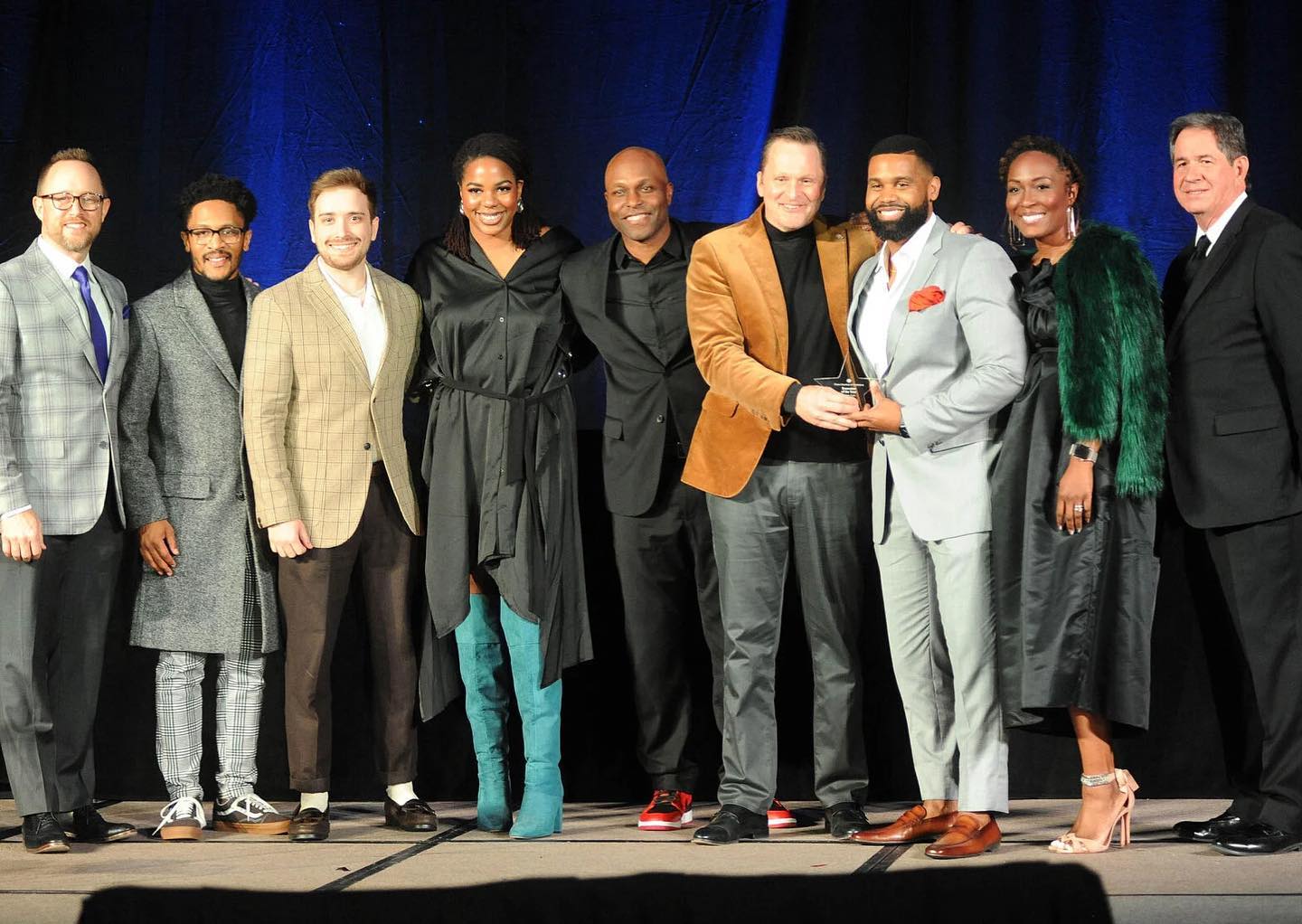
The work won Best in Show and the Corporate Small category at the IIDA Texas Oklahoma Design Excellence Awards in 2021.
Two revenue lines. Members paid monthly for access. Everyone else booked studios, gear, and production services à la carte, which meant the building earned from people who never joined.
Members and clients included Microsoft, Dude Perfect, and the Dallas Cowboys.
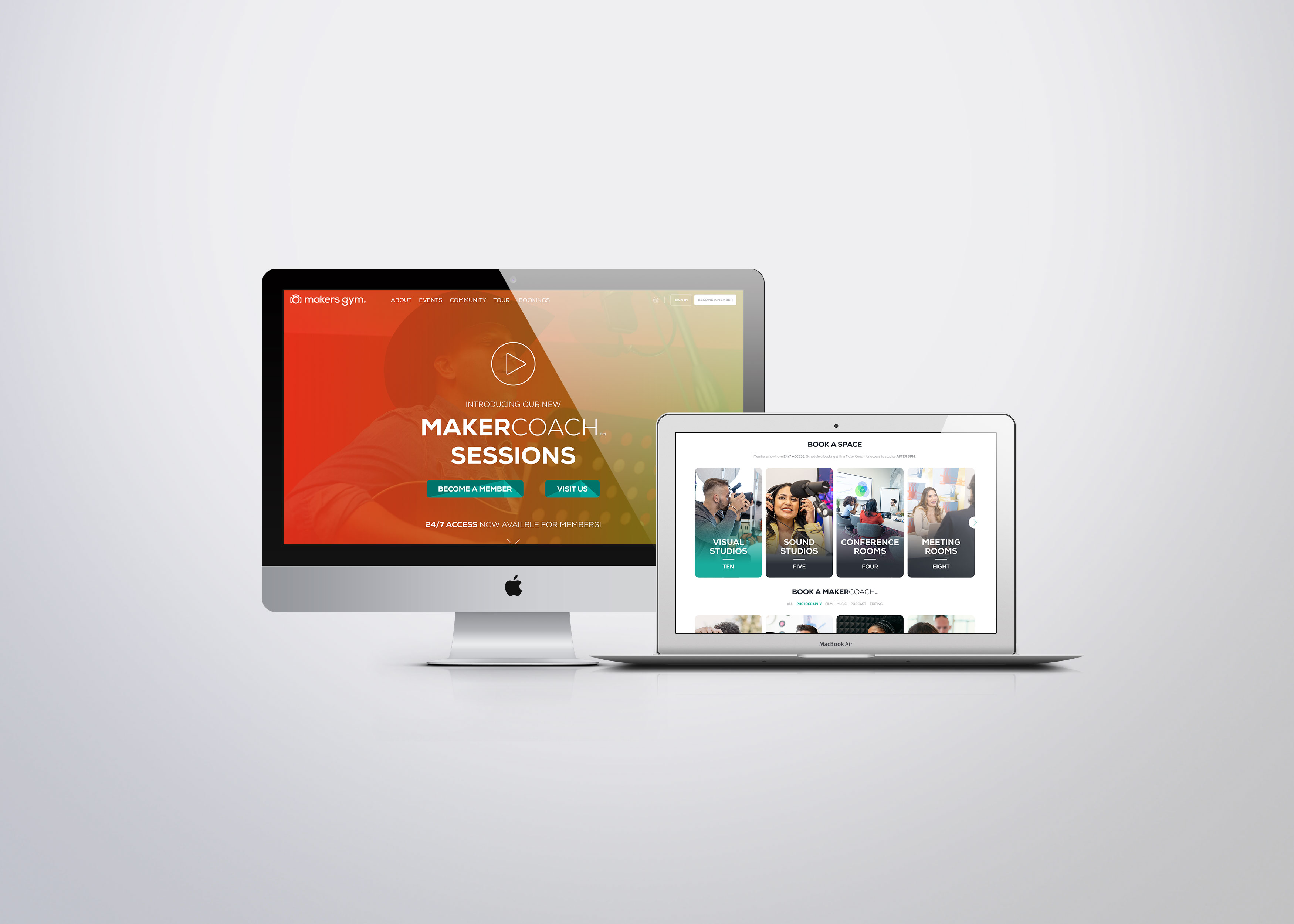
I designed the UX and UI for the member platform: booking, membership, programming, and à la carte purchase, integrated with Nexudus for CRM. Two very different users had to work inside one product, a member who lives there and a first-timer booking a single studio hour, and their journeys barely overlap.
We developed a six-month paid media strategy before we opened. Three phases with rotating objectives: awareness into followers, followers into leads, leads back into awareness. Five channels, named budgets by phase and campaign, and A/B creative testing in prelaunch so we knew which work performed before scaling spend behind it.
Then four brand campaigns, one at each stage of the customer lifecycle.
Prelaunch explained a building nobody could see yet. It drove several pre-signed memberships before we opened the doors. That is the number I am proudest of, because the product did not exist and the marketing had to carry the whole thing.
Grand opening turned the launch into an event: live music, free photography sessions, a livestream with Lady Jade.
For All Makers was aimed at people who had already joined. Retention is where membership businesses quietly die, and it does not market itself.
MakerCoach launched a new service into the existing base.
Each was a long-form hero film plus 15 to 30 second cutdowns for social and paid. Four campaigns, one system, all produced in house.
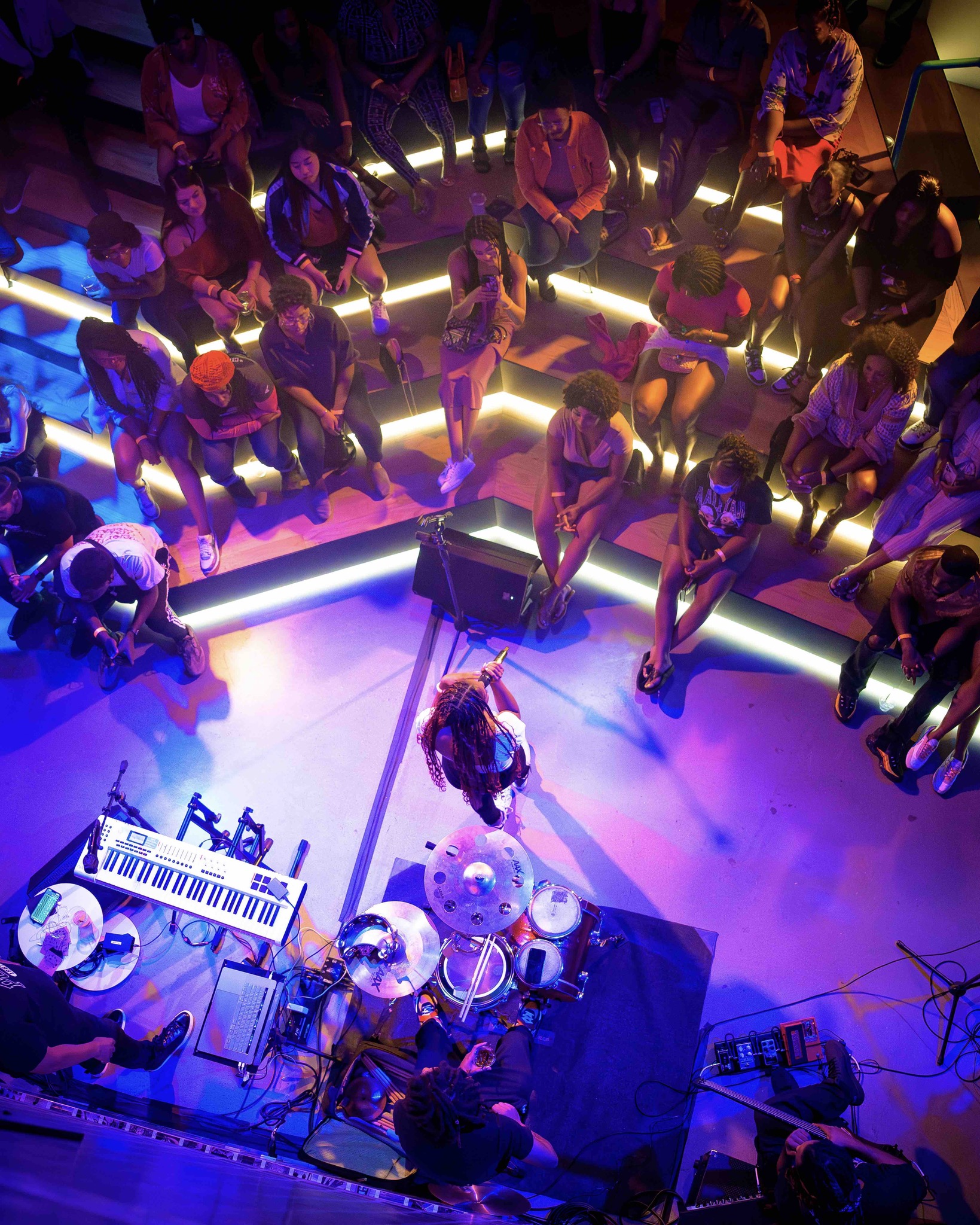
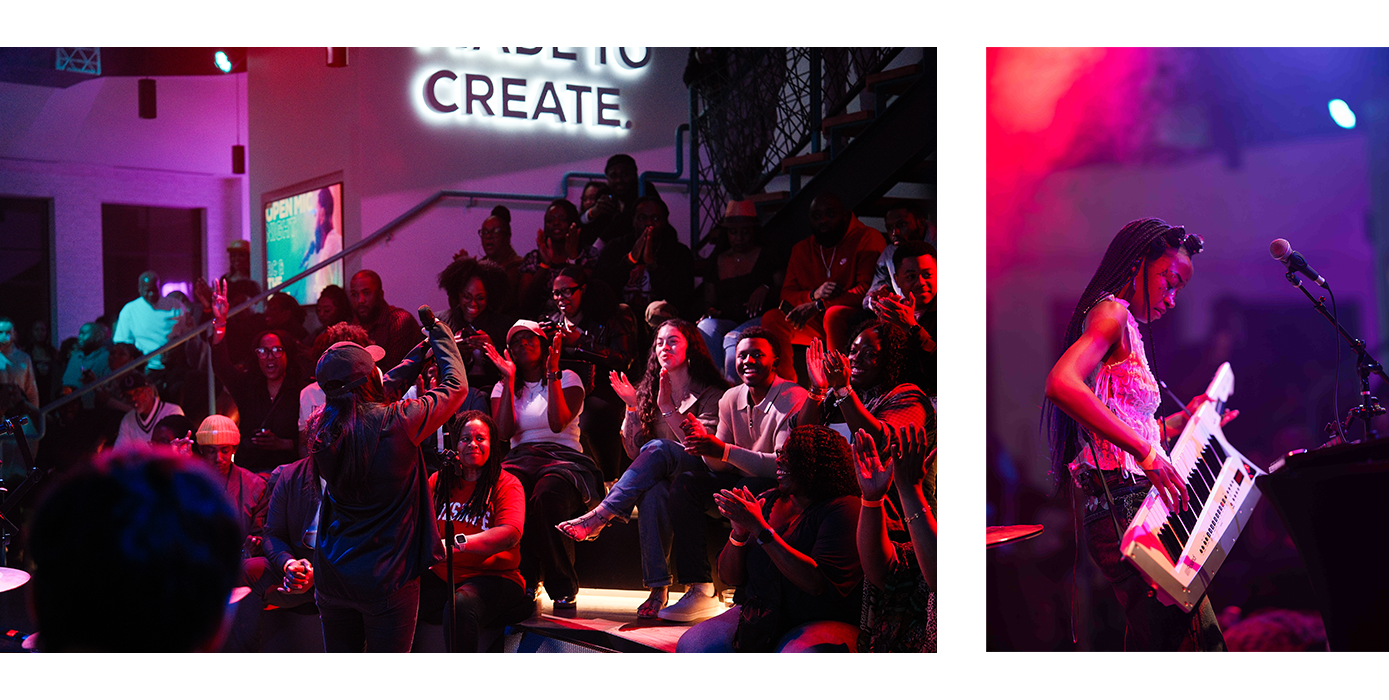
A recurring music night hosted by RC & The Gritz, Erykah Badu's band, led by Grammy winner RC Williams, with DJ Christy Ray & DJ Jay*Clipp.
Growing about 10% every event. Roughly 21.6k+ people reached, 32k+ Views, 11k+ post engagements, 3.98% CTR per event. The audience was 59.5% aged 21 to 35: small business owners, freelancers, musicians, photographers, engineers, students.
I built brand partnerships with Jim Beam, SoFar Sounds, and Melody of Hope to underwrite it, with a modeled cost structure and a tiered sponsorship offer. The goal was to keep entry fees as low as possible so resident talent could perform regularly.
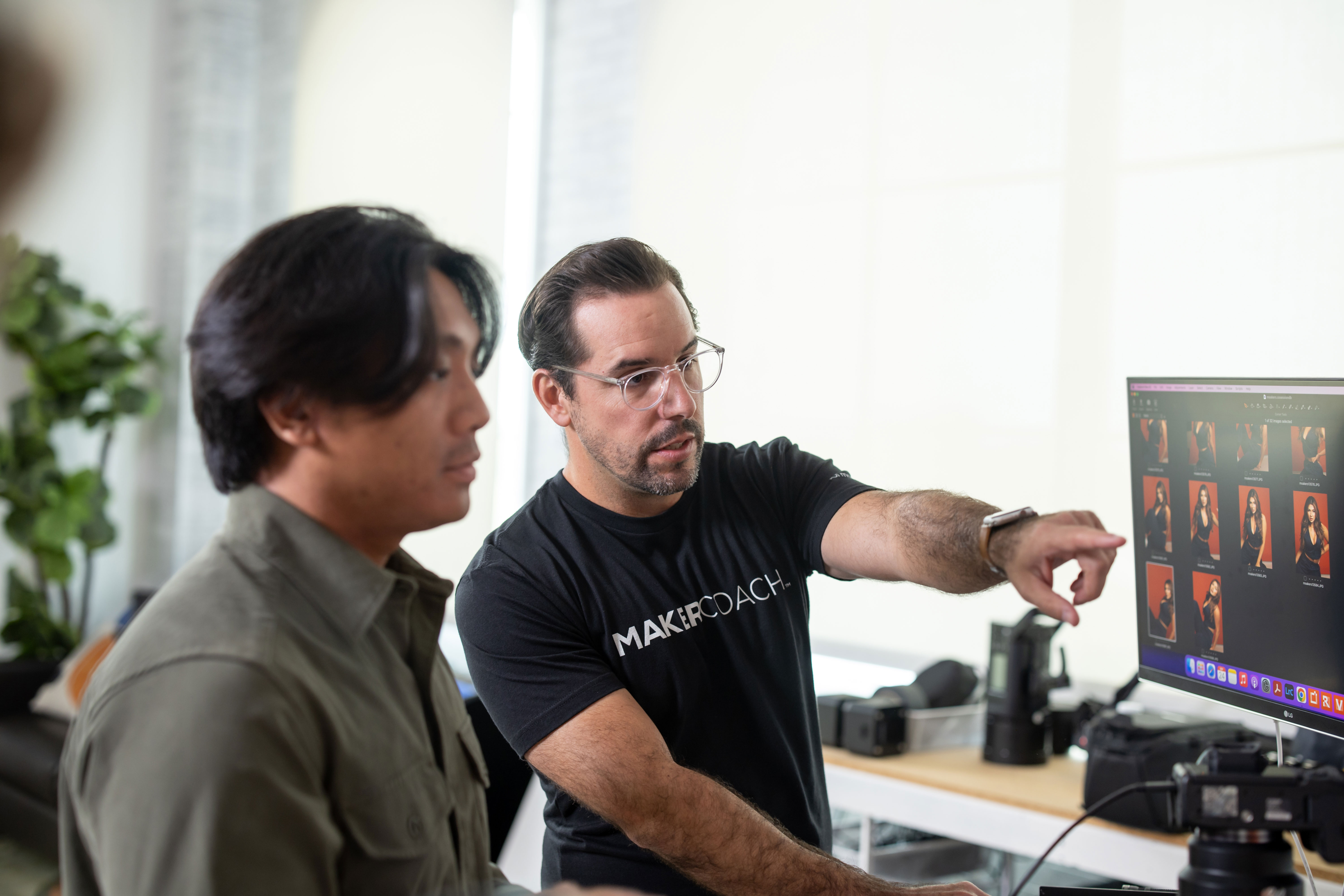
So I built MakerCoach™: our best members, productized. Twelve coaches across photography, film, music, editing, and podcasting, bookable by the hour, each with a curriculum by trade. You could learn on the gear or hire someone to run it with you.
It solved retention, it converted first-timers, and it created income for the members doing the coaching.
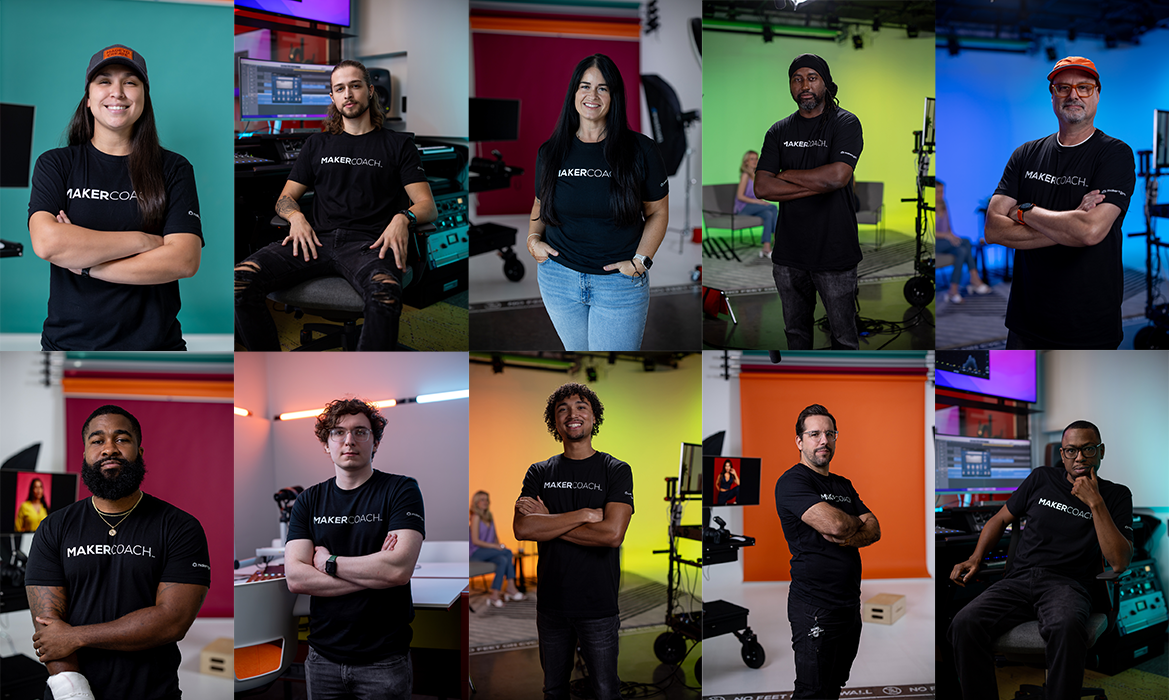
Launching it meant shooting six deliverable formats in one day: an anthem film and five discipline cutdowns, plus lifestyle headshots for every coach. Twenty-two people, five studios running simultaneously, call times from 7:30 AM to 2:30 PM. I wrote the scripts, built the shot list, and ran the day.
I cannot tell you how amazing the team is at Makers gym! They went above and beyond to help me with my first production. They encouraged me in my creation. I want to FIND MORE things to create just so I can stay connected to the awesome people here.
- Sarah Mitchell
Operating costs outpaced what the local market could support at that scale. Thirteen thousand square feet of studios, equipment, and staff is a heavy fixed base, and membership revenue in a suburban market did not grow fast enough to carry it. I do not think the concept was wrong. I think the footprint was too large for where it was.
Things I would do differently. Start smaller and prove demand before signing for the square footage. Price membership for the market that exists rather than the one I hoped would form. Lean harder into à la carte, which turned out to be the larger customer base over time. And build in leasable space, so the model has a revenue line that does not move with demand.
Things I would do the same. All of it. We built something that creative businesses used to make their work, and a lot of it is still out there.
Credits Interiors in collaboration with Interior Architects. Architectural photography by Peter Molick.
%402x.svg)